Color Psychology in Interior Design: Choosing the Right Hues

Chosen theme: Color Psychology in Interior Design: Choosing the Right Hues. Welcome! Explore how color influences mood, comfort, and daily habits—and learn to pick hues that truly support your life. Subscribe for fresh color stories, practical tips, and real-world experiments you can try this week.

Why Color Psychology Matters at Home

Studies suggest blues may lower perceived stress, greens support restoration, and warm reds energize attention. While biology, culture, and memory vary, thoughtful palettes can balance alertness with comfort. Tell us which color lifts your mood when you walk through the door.

Why Color Psychology Matters at Home

Your entry’s palette sets emotional expectations. Soft neutrals whisper welcome, a pop of saffron sparks curiosity, and dusty teal promises calm. Try a colored console or runner, then note whether guests linger longer. Comment with your entryway experiment.
Room-by-Room Hue Strategies

Muted blues, soft sages, and smoky lavenders cue relaxation and lower visual noise. Keep saturation gentle, add tactile layers like linen, and use matte finishes to diffuse light. Share your top bedtime shade and how it changed your wind-down routine.

Room-by-Room Hue Strategies

Warm hues spark appetite and conversation. Try clay, terracotta, or buttercream yellow rather than primary red. Pair with natural woods and soft white lighting for balance. Tag us with a photo of your morning coffee corner and its chosen color.

Analogous vs. Complementary

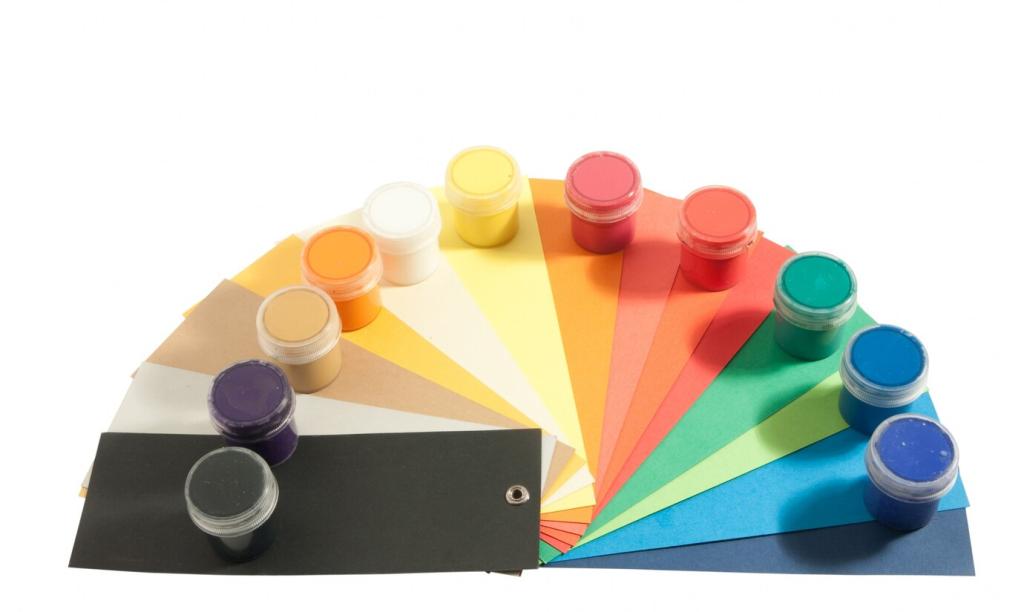
Analogous palettes (neighboring hues) soothe and unify; complementary pairs (opposites) energize and sharpen. Start with the 60–30–10 rule and keep saturation consistent. Share a photo of your shelves, and we’ll suggest which harmony might flatter them.

Neutrals as Quiet Heroes

Neutrals carry mood, too. Warm greige feels welcoming, mushroom adds sophistication, and soft taupe grounds bolder accents. Choose one undertone family and stick to it. Comment which neutral calms your space without feeling bland or sterile.

Culture, Memory, and Personal Meaning

Cultural Associations to Consider

Red often signals luck and celebration in parts of East Asia, while white may symbolize mourning in certain traditions. Research your palette’s meanings, then layer subtly. Tell us how your cultural background informs your favorite living room accent.

Biophilic Blues and Greens

Colors inspired by sky, water, and foliage restore attention and reduce fatigue. Mix varied greens—fern, olive, and eucalyptus—for depth, then add wood and stone for grounding. Share your most restorative corner and the nature tones that built it.

Your Story, Your Shade

Maybe your grandmother’s sunflower kitchen made yellow forever joyful, or a coastal childhood fixed your heart on sea glass blue. Translate those memories into softened, livable tones. Tell us one memory-hue pairing you’re ready to bring home now.

From Samples to Finish: A Practical Plan

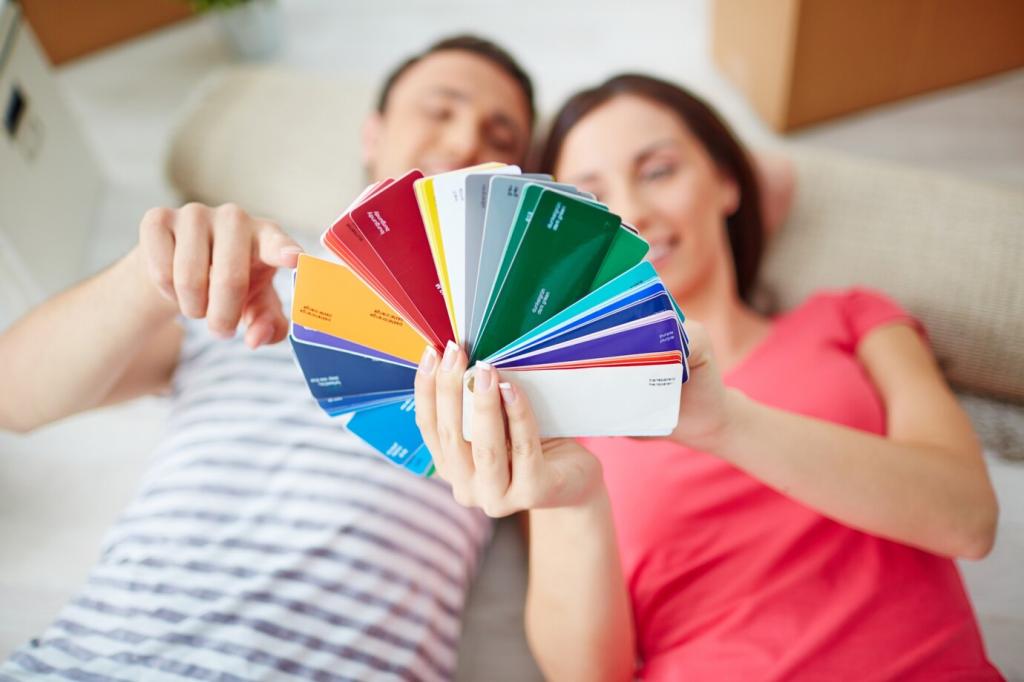
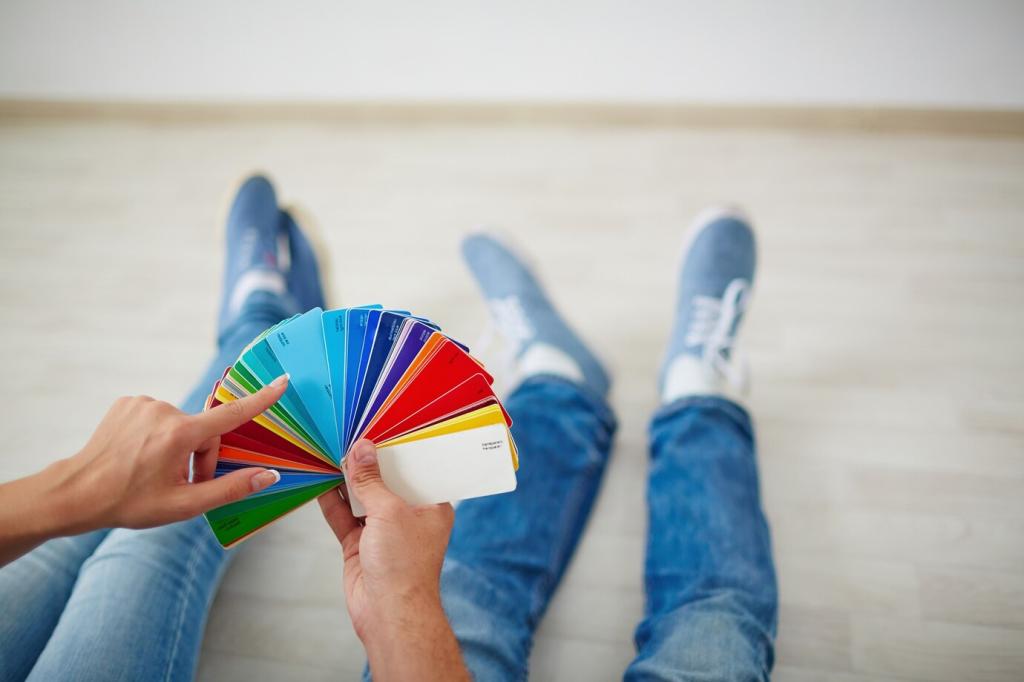
Paint large sample boards, move them around, and live with them for forty-eight hours. Evaluate at breakfast, midday, and bedtime. If doubts linger, adjust saturation before changing hue. Post your top two contenders, and we’ll weigh in.
Ronilavexo
Privacy Overview

This website uses cookies so that we can provide you with the best user experience possible. Cookie information is stored in your browser and performs functions such as recognising you when you return to our website and helping our team to understand which sections of the website you find most interesting and useful.